Finding wine events near you should not feel like digging through a messy drawer. The best places to look include wineries, wine shops, restaurants, wine bars, educators, local calendars, and wine-focused communities like my Wination.
You want to do something wine-related this weekend.
Nothing too stiff. Nothing where someone looks at your glass and judges your soul. Just a good tasting, maybe a wine dinner, maybe a local shop pouring something interesting, maybe a winery event where you can ask questions without feeling like you accidentally walked into a graduate seminar.
So you search wine events near me.
Then the chaos begins.
One winery has a calendar, but it has not been updated since last harvest. A wine shop posted something on Instagram, but only in Stories, so now it has vanished into the fog. A restaurant has a wine dinner, but the details are hidden behind three clicks and a PDF. Facebook shows you an event from six months ago. Google suggests a beer festival 90 minutes away because apparently all fermented beverages are cousins.
This is the problem.
Wine events are everywhere. Finding them should not feel like detective work in bad lighting.
What counts as a wine event?
A wine event is any gathering where wine is part of the experience, education, community, or conversation.
That can mean a formal tasting, but it can also be much more relaxed. Not every wine event has white tablecloths, polished shoes, and someone saying “minerality” with suspicious confidence.
Common wine events include:
-
Wine tastings
-
Winery open houses
-
Release parties
-
Wine dinners
-
Wine classes
-
Wine festivals
-
Bottle shares
-
Producer meet-and-greets
-
Sommelier-led tastings
-
Wine shop tastings
-
Vineyard tours
-
Food and wine pairing events
Some are educational. Some are social. Some are built around a specific region, grape variety, producer, or vintage. Some are just a few bottles on a counter and people talking like normal humans.
A wine event does not need to be fancy to be worth your time. Sometimes the best ones are small, local, and slightly imperfect in the best way.
Where can you find wine events near you?
The best way to find wine events near me is to check several places, because wine events are rarely listed in one perfect location.
Start with local wineries.
Wineries often host tastings, pickup parties, release events, vineyard walks, food trucks, live music nights, blending sessions, harvest events, and seasonal gatherings. Their websites and email newsletters are usually the first place to look.
Then check wine shops.
Independent wine shops are often one of the best sources for local tastings. They may host weekly pours, guest winemakers, importer tastings, beginner classes, or themed nights around regions like Burgundy, Rioja, or the Loire Valley.
Restaurants and wine bars are another strong option.
Many host wine dinners, pairing menus, producer nights, or casual tasting flights. These can be especially useful if you want the wine experience with food already built in.
Wine educators are worth following too.
A local educator, sommelier, or wine school may offer beginner classes, regional deep dives, blind tasting workshops, certification prep, or casual wine nights for people who simply want to learn without being buried in jargon.
You can also check:
-
Local tourism boards
-
Chamber of commerce calendars
-
Event platforms
-
Winery association websites
-
Restaurant newsletters
-
Wine shop email lists
-
Local social media groups
-
Wine-focused communities like my Wination
The problem is not that wine events are rare. The problem is that they are scattered.
Why searching for wine events can be so frustrating
Wine businesses are busy.
A small winery might have one person managing tastings, emails, social media, event planning, club members, harvest updates, and the occasional printer that decides to become a haunted object.
So event promotion can get messy.
An event might be posted on Instagram but not on the website. A wine shop might announce a tasting through email but never create a public listing. A restaurant might promote a wine dinner to regulars but not optimize the page for search. A winery might create a Facebook event but forget to update the date somewhere else.
That means a person searching for wine tasting events near me may miss something wonderful simply because it was not easy to find.
This is exactly where a wine-focused community can help.
Instead of relying on scattered posts, disappearing stories, and outdated calendars, a platform like my Wination gives wine lovers and wine businesses another shared place to connect around events.
It does not replace a winery website or a shop newsletter. It simply gives the event one more home where people already care about wine.
How to choose the right wine event for you
Not every wine event fits every mood.
Before you choose one, ask yourself what kind of experience you actually want.
If you are new to wine, look for beginner-friendly tastings or introductory classes. These should feel relaxed and clear. A good host will explain what is in the glass without making you feel like you need a secret password.
If you want something social, look for casual tastings, happy hour-style wine events, shop pours, wine bar flights, or local community events. These are usually less intense and more conversation-driven.
If you want to learn, look for classes focused on a region, grape variety, food pairing, tasting technique, or wine style. For example, a class on sparkling wine, natural wine, or Italian reds can give you a clear theme to follow.
If you want food involved, choose a wine dinner or pairing event. These can be beautiful because wine often makes more sense when food is nearby. A sharp white wine with seafood. A soft red with roasted chicken. A sweet wine with blue cheese. Suddenly the glass has a reason.
If you work in wine or want to, look for industry tastings, networking events, portfolio tastings, certification groups, or educational workshops.
The best wine event is not always the most expensive one. It is the one that matches your curiosity.
What to expect at your first wine tasting event
Your first wine tasting event does not need to be stressful.
You do not need to know every grape variety. You do not need to identify the soil type by smell. You do not need to say “notes of crushed violets” unless crushed violets are truly haunting your nose.
You can simply show up, taste, listen, and ask questions.
A few things to know:
It is okay to ask basic questions.
It is okay to say what you actually taste.
It is okay not to like something.
It is okay to take notes.
It is okay to spit at professional tastings.
It is okay to buy nothing, though supporting the host when you genuinely enjoy something is always appreciated.
At a good tasting, the host should help guide you. Wine communication should make the experience clearer, not colder. The best people in wine know how to translate what is in the glass into language that makes sense.
Try asking simple questions like:
“What should I notice first?”
“What food would you pair with this?”
“Is this wine typical for the region?”
“What makes this bottle different from the last one?”
“Why does this taste lighter or fuller?”
Those questions open doors.
How to use my Wination to discover wine events
my Wination is built to help wine lovers and wine businesses find each other.
For events, that means one simple thing: wine gatherings should be easier to discover.
On my Wination, wine lovers can look for events, follow businesses, join groups, and stay closer to what is happening in the wine community. A tasting does not have to disappear after one Instagram post. A class does not have to rely only on an email list. A small winery event does not have to compete with every random thing on the internet.
For wine businesses, my Wination gives events a more relevant audience.
A winery can post a release party.
A wine shop can share a tasting.
A restaurant can promote a wine dinner.
An educator can announce a class.
A local wine group can invite people to a gathering.
The point is not to make everything louder. The point is to make wine events easier to find by the people who actually want them.
That matters for consumers, but it also matters for small businesses. A great event with poor visibility is a room full of empty chairs and good wine waiting for company. Nobody wants that.
How wine businesses can make events easier to find
If you are a winery, wine shop, educator, restaurant, or event organizer, the way you write about your event matters.
People should understand what the event is within a few seconds.
Use a clear title.
Instead of:
“An Evening With Us”
Try:
“Virginia Cabernet Franc Tasting With Local Cheese Pairings”
Instead of:
“Spring Wine Experience”
Try:
“Spring Rosé Tasting for Beginners”
Clarity helps people say yes.
Make sure your event listing includes:
-
Date and time
-
Location
-
Price
-
What is included
-
Whether beginners are welcome
-
Registration link
-
Refund or cancellation details
-
Parking or arrival notes if needed
-
A good image
-
A short description that sounds human
Avoid making every event sound like it was written by a committee trapped in a conference room.
Say what people will actually experience.
Will they taste five wines? Meet the winemaker? Learn food pairings? Sit down for dinner? Walk through the vineyard? Try new releases? Bring friends? Ask questions?
Tell them.
And if the event is casual, say that. Many people avoid wine events because they assume they are too formal. Sometimes “casual, beginner-friendly tasting” is the sentence that gets someone through the door.
What makes a wine event worth attending?
A good wine event is not just about the wine.
Of course, the wine matters. Nobody wants to spend an evening politely surviving bad pours. But the best events also have warmth, clarity, pacing, and a reason to be there.
A good wine event gives you at least one of these:
A new producer to follow
A new grape variety to remember
A better understanding of a region
A food pairing that makes sense
A conversation you did not expect
A local business worth supporting
A bottle you want to revisit later
Sometimes the best part of a wine event is not the most expensive bottle. It is the moment something clicks.
You taste a crisp white wine and finally understand acidity.
You compare two reds and realize body is not the same as flavor intensity.
You meet the person who grew the grapes.
You find a wine shop where nobody makes you feel foolish.
You leave with one bottle and one story.
That is enough.
How often should you go to wine events?
As often as your curiosity and schedule allow.
You do not need to turn wine into homework. You do not need to attend every tasting in town like you are collecting badges.
Start with one event a month if you are curious. Try different formats. Go to a shop tasting one month, a winery visit the next, then maybe a class or wine dinner.
Over time, you will notice what you enjoy.
Maybe you like small tastings more than festivals. Maybe you prefer classes. Maybe you love meeting producers. Maybe you want casual social events where the wine is good but nobody is trying to perform.
That is the quiet magic of wine events. They help you find your own taste, one glass at a time.
Final thought: wine events are about more than wine
Searching for wine events near me should lead to more than a list of dates.
It should lead to places, people, stories, and experiences you might not have found otherwise.
Wine events help turn wine from something you buy into something you understand. They bring you closer to the people pouring it, teaching it, selling it, growing it, and enjoying it. They make wine less distant.
That is what my Wination wants to support.
Not the stiff version of wine. Not the version where everyone pretends to know everything. The real version. The one where someone pours you something new, you ask a question, and suddenly the world gets a little wider.
Looking for a wine event, or hosting one? my Wination gives wine lovers and wine businesses a place to find each other.
FAQ
How do I find wine events near me?
Start with local wineries, wine shops, restaurants, wine bars, tourism boards, event platforms, and wine-focused communities like my Wination. Many events are also shared through email newsletters and social media.
What types of wine events can I attend?
Common wine events include tastings, winery open houses, wine dinners, release parties, wine classes, festivals, bottle shares, producer meet-and-greets, vineyard tours, and shop tastings.
Are wine events good for beginners?
Yes. Many wine events are beginner-friendly, especially casual tastings, shop events, winery open houses, and introductory wine classes. Look for events that clearly say beginners are welcome.
Do I need to know a lot about wine before going to a tasting?
No. You can enjoy a wine tasting without knowing technical terms. A good tasting should help you understand wine more clearly, not make you feel intimidated.
Can wineries and wine shops list events on my Wination?
Yes. Wine businesses can use my Wination to share events, connect with wine lovers, and make tastings, classes, dinners, and gatherings easier to discover.
Suggested Image Alt Text
Featured image: People attending a local wine tasting event discovered through my Wination.
Inline image 1: Online wine event listings for tastings, classes, and local winery events.
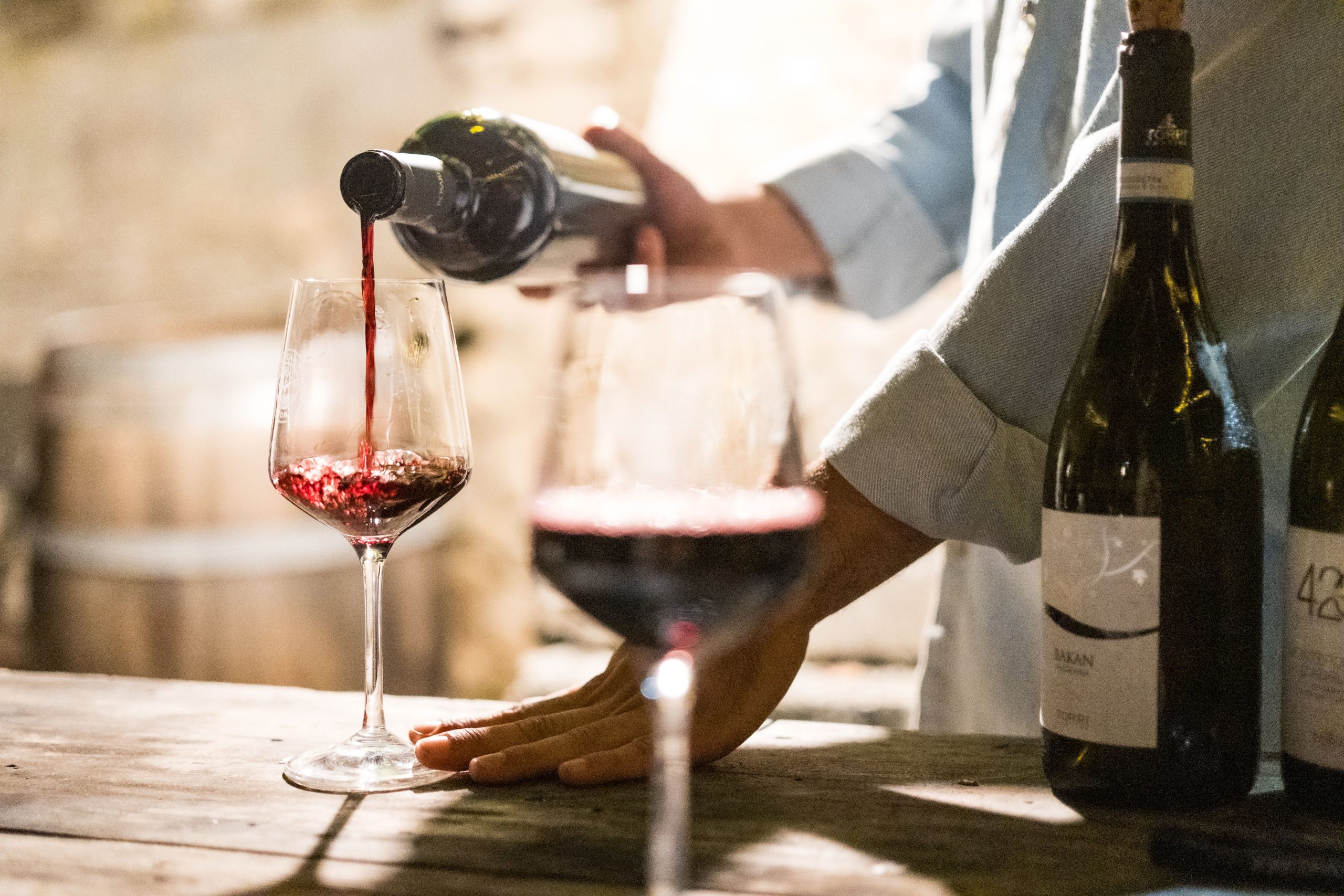
Inline image 2: Local wine tasting event with glasses, bottles, and guests learning about wine.
Sources
Court of Master Sommeliers, Deductive Tasting Workbook
Learn more: https://www.mastersommeliers.org/
Court of Master Sommeliers, Introductory Sommelier Course Workbook
Learn more: https://www.mastersommeliers.org/
Wine & Spirit Education Trust, Understanding Wines: Explaining Style and Quality
Learn more: https://www.wsetglobal.com/
Wikipedia, Wine tasting
https://en.wikipedia.org/wiki/Wine_tasting
Wikipedia, Wine and food pairing
https://en.wikipedia.org/wiki/Wine_and_food_pairing
Wikipedia, Sommelier
https://en.wikipedia.org/wiki/Sommelier
Comments