
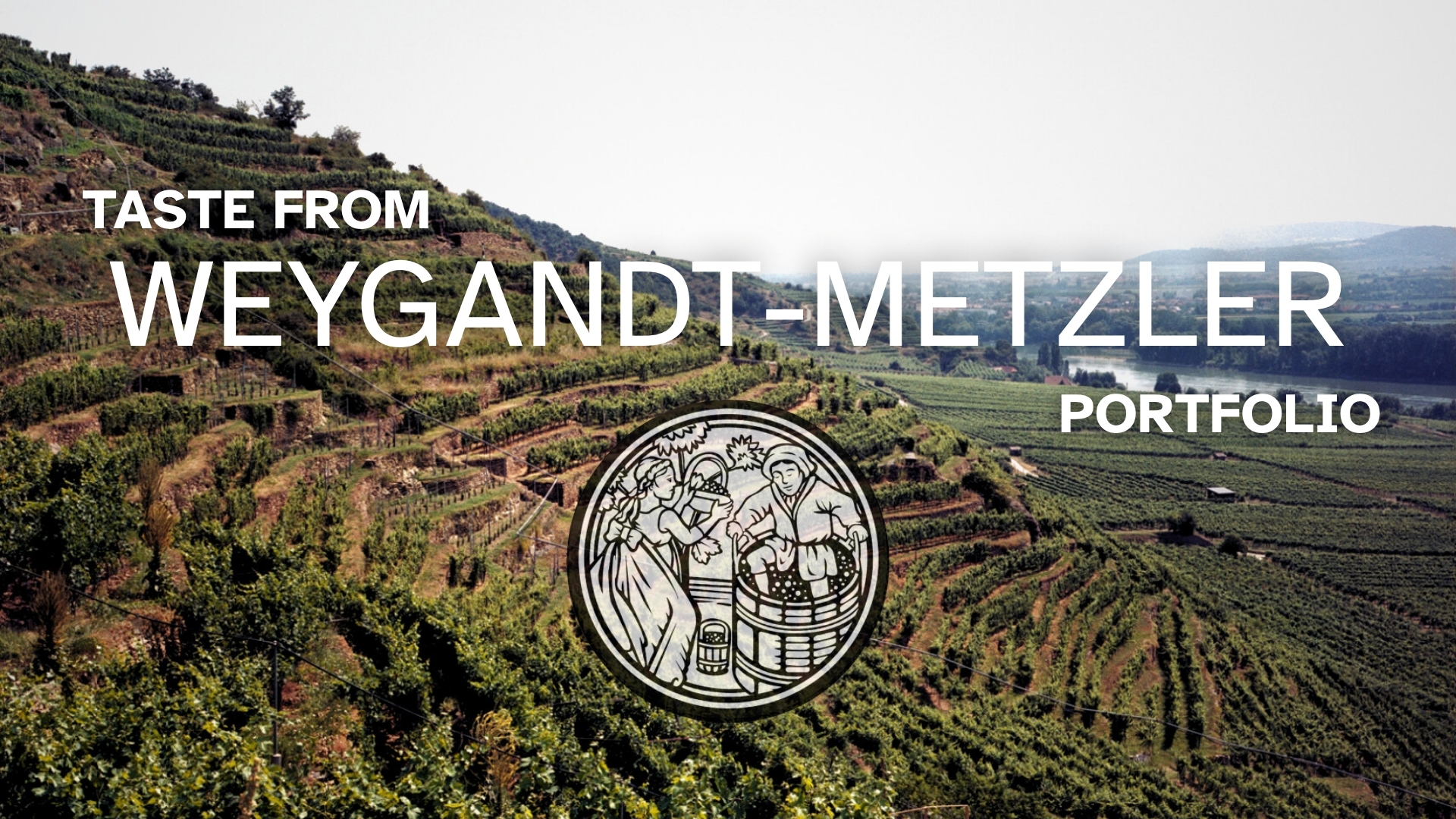
Featured Image Alt Text: Bottles from small wine producers selected by Weygandt-Metzler Importing.
Why Weygandt-Metzler Importing Is Worth Knowing
Weygandt-Metzler Importing is a U.S. wine importer known for a portfolio of carefully selected producers, especially from France and other European wine regions. For beginners, learning to recognize an importer like Weygandt-Metzler can make wine shopping feel less random and a little more human.
I used to ignore the back label.
Front label, sure. Region, maybe. Grape variety, definitely if I recognized it. Price, always. But the importer? I barely noticed.
Then, at some point, I started seeing the same names on bottles I liked. Not the winery name. Not the region. The importer name.
That was one of those small wine moments where something clicks.
A good wine importer can become a quiet guide. Not loud. Not flashy. Just a little signature on the back label that says, “Someone made a choice before this bottle reached you.”
That is why I wanted to write about Weygandt-Metzler Importing.
Who is Weygandt-Metzler Importing?
Weygandt-Metzler Importing is a U.S. wine importer connected with Peter Weygandt, who has been importing French wines since 1987. Over time, the portfolio expanded beyond France to include producers from places like Austria, Italy, Germany, Georgia, Spain, and Portugal.
That already tells you something.
This is not the kind of importer that feels built around one trend or one category. It feels more like a long-running point of view. A collection of producers chosen because someone believed the wines had something worth carrying across the ocean.
And that matters.
Wine does not magically appear on a shelf. It passes through people. Growers, winemakers, importers, distributors, retailers, restaurant buyers, educators, and eventually us, standing in front of a bottle wondering if it will go with dinner.
An importer is one of those people in the middle. But the good ones do more than move boxes. They help decide what we even get the chance to discover.
Why importers matter more than beginners realize
When you are new to wine, the world can feel too big.
France alone can feel like a locked library. Burgundy, Loire, Rhône, Champagne, Alsace, Beaujolais, Bordeaux, Languedoc, Jura, Savoie. Then Italy walks in with another suitcase. Then Spain. Then Portugal. Then Germany. Then suddenly someone starts talking about qvevri wines from Georgia and your brain politely leaves the room.
That is where importers can help.
A thoughtful importer narrows the field. Not by making wine smaller, but by making discovery easier. They find producers, build relationships, handle the logistics, and bring wines into the market that many of us would never find on our own.
When you start recognizing importers, wine shopping becomes less random.
Instead of choosing only by grape or label design, you can start asking:
Have I liked wines from this importer before?
That does not mean every bottle will be your style. Nobody bats a thousand in wine. But it gives you another clue.
And in wine, clues matter.
What makes Weygandt-Metzler interesting?
What stands out to me about Weygandt-Metzler Importing is the feeling of selection.
Their website does not come across like a giant supermarket aisle. It feels more like a portfolio built around producers, regions, and farming stories. You see names from classic areas, but also places and growers that may not be obvious to beginners.
That is one of the reasons importers like this are useful.
They can introduce you to wines that are not just famous, but worth paying attention to.
A beginner might recognize Burgundy or Châteauneuf-du-Pape. But an importer portfolio can also lead you toward Beaujolais, Savoie, Jura, Loire, Austria, Portugal, Georgia, or smaller estates within famous regions.
That is where wine gets fun.
Not every bottle has to be a trophy. Some bottles are better as discoveries. A bright white wine that makes dinner feel awake. A red from Beaujolais that reminds you wine does not need to be heavy to be serious. A Portuguese bottle that tastes like someone opened a window. A Georgian wine that makes you realize how old and wide the wine world really is.
The back label can tell you something
I am not saying you should buy wine only because of the importer.
That would be too easy, and wine refuses to be that obedient.
But the back label can tell you more than people think. It can show who imported the wine, where it came from, sometimes who distributed it, and sometimes a few hints about the producer.
If you keep noticing that you enjoy bottles imported by the same company, pay attention.
That is not snobbery. That is pattern recognition.
Wine can feel overwhelming because there are too many options. Recognizing importers gives you a practical shortcut that is still rooted in taste and experience.
For example, if you drink a bottle from Weygandt-Metzler Importing and like the style, you might start looking for other bottles from their portfolio. Maybe you find something from France. Maybe Austria. Maybe Portugal. Maybe Georgia.
That is how discovery starts to branch.
One bottle leads to another. One producer leads to a region. One region leads to a question. Then suddenly you are not just buying wine. You are following a trail.
What kind of wines should beginners look for?
If you are curious about Weygandt-Metzler but do not know where to start, I would not begin by hunting for the rarest bottle.
Start with something you will actually open.
Look for a bottle from a region you already enjoy, then try one step sideways.
If you like Pinot Noir, maybe look at Burgundy or a lighter red from another region.
If you like bright white wines, maybe look at Loire, Austria, or Portugal.
If you like reds with energy, maybe look at Beaujolais or the Rhône.
If you want something different, explore Georgia or lesser-known European regions.
The goal is not to impress anyone.
The goal is to taste something with a point of view.
That is what I like about importer-driven discovery. It nudges you away from shopping only by label art or rating score. It asks you to think about the people who chose the wine before you found it.
A quick note about “boutique” wine
The word “boutique” gets thrown around a lot in wine.
Sometimes it means small production. Sometimes it means expensive. Sometimes it means someone in marketing found a nice word and dressed it up for dinner.
But in the context of an importer like Weygandt-Metzler, I think the more useful idea is this: smaller producers often need someone to tell their story in another market.
A small domaine in France may not have the time, language, distribution relationships, or market access to reach people across the U.S. on its own. An importer can help bridge that gap.
That bridge matters.
Without importers, many wines would remain local, invisible, or hard to access. With the right importer, a small grower can end up on a shelf in Washington, New York, California, or somewhere else entirely.
That does not make every imported wine good. But it does remind me that wine is never just a product moving from point A to point B.
It is a chain of trust.
Why this matters for wine lovers
For wine lovers, especially beginners, importers can make the wine world feel less chaotic.
You do not need to memorize every appellation (https://en.wikipedia.org/wiki/Appellation). You do not need to know every producer in Burgundy. You do not need to understand every soil type, every grape clone, or every cellar decision before buying a bottle.
You can start with simpler questions.
Who brought this wine here?
Have I liked their selections before?
Does this importer seem focused on producers with a real story?
Is this bottle part of a pattern I want to explore?
That is a much calmer way to learn.
Wine education does not always have to start with a textbook. Sometimes it starts with a back label and a good bottle on a Tuesday night.
Why this matters for wine businesses
There is also a business side to this.
Importers help shape what restaurants, retailers, wine bars, and consumers can access. They influence which producers get visibility and which regions get introduced to new audiences.
A retailer who trusts an importer can build sections around that portfolio. A restaurant can use importer relationships to find wines that fit its food and price point. A wine educator can use importer portfolios to teach regions, styles, and producer philosophies.
This is especially important for independent producers.
Big brands usually have volume, marketing budgets, and broad distribution. Smaller producers often rely on people who can explain their wines with care.
That is where a good importer earns their place.
What I like about discovering wine this way
I like that importer-based discovery feels human.
It is not perfect. It is not magic. It still requires tasting, curiosity, and sometimes getting a bottle wrong.
But it feels better than choosing wine only by score or shelf placement.
When I see an importer name I recognize, I feel like there is a person behind the selection. Someone tasted. Someone chose. Someone thought the wine deserved to travel.
That is not a guarantee. But it is a clue.
And wine is full of clues.
The grape tells you something.
The region tells you something.
The producer tells you something.
The vintage tells you something.
The importer tells you something too.
You do not have to understand all of it at once. Just start noticing.
How to explore Weygandt-Metzler wines
If you want to explore Weygandt-Metzler Importing, start by visiting their website and looking through the producer list.
Do not try to understand everything at once. That is how wine turns into furniture assembly instructions.
Pick one region you already know, then one region you do not.
Maybe France and Portugal.
Maybe Austria and Georgia.
Maybe Beaujolais and the Rhône.
Maybe Burgundy if your wallet is feeling brave.
Then look for one bottle in your local shop, restaurant, or online retail search, depending on what is legal and available where you live.
When you taste it, keep the note simple.
What does it smell like?
What does it taste like?
How does it feel?
Would you buy it again?
Would you try another wine from the same importer?
That last question is the beginning of learning.
Final thought: importers are part of the story
Before I paid attention to importers, wine felt more random.
Now I see them as part of the story. Not the whole story, but a useful chapter.
Weygandt-Metzler Importing is worth knowing because it reminds me that wine discovery is not only about chasing famous bottles. Sometimes it is about following the people who have spent years finding producers, building trust, and bringing those wines into reach.
That is the kind of wine trail I like.
A little less algorithm.
A little more human.
Next time you pick up a bottle, turn it around. Look at the back label. See who imported it.
You might find a name worth remembering.
FAQ
What is Weygandt-Metzler Importing?
Weygandt-Metzler Importing is a U.S. wine importer associated with Peter Weygandt, known for a portfolio of carefully selected producers from France and other wine regions, including Austria, Italy, Germany, Georgia, Spain, and Portugal.
Why should wine beginners care about importers?
Importers can help beginners discover better wines by acting as a filter. If you notice that you enjoy wines from the same importer, that importer’s name can become a useful clue when shopping.
Does the importer name appear on the bottle?
Yes, imported wines sold in the U.S. usually show importer information on the back label. This can help you recognize patterns in the wines you enjoy.
Is Weygandt-Metzler only focused on French wine?
Peter Weygandt first built a reputation with French wines, but the Weygandt-Metzler portfolio now includes producers from several other countries, including Austria, Italy, Germany, Georgia, Spain, and Portugal.
How do I start exploring Weygandt-Metzler wines?
Start by checking their producer list, then look for one bottle from a region you already enjoy and one from a region you want to learn more about. Taste them without pressure and keep simple notes.
Sources
Weygandt-Metzler Importing, official website
https://weygandtmetzler.com/
Weygandt-Metzler Importing, Peter Weygandt profile
https://weygandtmetzler.com/wmi-peter-v101.php
Weygandt-Metzler Importing, all producers
https://weygandtmetzler.com/wmi-producers-all-v201.php
Wine & Spirit Education Trust, Understanding Wines: Explaining Style and Quality
Learn more: https://www.wsetglobal.com/
Wine & Spirit Education Trust, D2 Wine Business
Learn more: https://www.wsetglobal.com/
Tim Unwin, Wine and the Vine: An Historical Geography of Viticulture and the Wine Trade
Purchase: https://www.routledge.com/Wine-and-the-Vine-An-Historical-Geography-of-Viticulture-and-the-Wine-Trade/Unwin/p/book/9780415144162
Wikipedia, Importer
https://en.wikipedia.org/wiki/Importer
Wikipedia, Appellation
https://en.wikipedia.org/wiki/Appellation
Wikipedia, Beaujolais
https://en.wikipedia.org/wiki/Beaujolais

Comments